
Scaling an enterprise beyond its initial operational boundaries marks a transformative milestone in the life cycle of any ambitious business. Growth demands that leadership teams re-evaluate how physical infrastructure, employee workflows, technology backbones, and public brand presence interact to support higher transaction volumes and larger headcounts. When a company outgrows its original footprint, the physical constraints quickly begin to manifest as operational friction. Crowded desk layouts stifle cross-departmental collaboration, undersized conference rooms limit client presentations, outdated network backdrops bottleneck digital productivity, and weak exterior visibility dampens customer discovery. Managing an operational upgrade requires far more than simply leasing additional square footage; it requires an engineered convergence of logistics, physical space construction, and strategic market positioning.
Securing Strategic Facilities to Anchor Long-Term Enterprise Growth
The foundation of every physical business expansion begins with identifying and acquiring a facility that accommodates current operational demands while leaving room for multi-year headcount growth. Growing enterprises frequently stumble by selecting real estate based strictly on immediate rental costs, only to discover that the building’s structural footprint cannot support expanding inventory racks, heavy server room loads, or evolving team layouts. An ideal facility must offer strategic geographic accessibility for key personnel, ample visitor parking, reliable high-speed fiber internet conduits, and flexible floor plates that can be adapted as operational requirements shift over time.
Acquiring the appropriate commercial property establishes the physical operational anchor necessary to scale internal production, streamline client service delivery, and elevate organizational prestige. Business leaders must evaluate mechanical building specifications, zoning classifications, ceiling heights, loading dock accessibility, and ambient acoustic performance before committing capital to long-term leases or property purchases. A properly chosen facility supports scalable departmental zoning, separating quiet analytical workflows from high-energy sales floors and collaborative conference hubs. Securing an adaptable building provides the physical foundation upon which modern operational infrastructure, employee well-being, and long-term enterprise value can be sustainably built.
Evaluating Fleet Logistics and Commercial Carriers for Asset Protection
Once a suitable corporate facility is secured, leadership must tackle the complex logistical challenge of transporting company assets from the legacy space to the new headquarters. Moving an operational business differs fundamentally from residential hauling, as commercial assets encompass heavy executive desks, sensitive server racks, proprietary prototypes, high-density archives, and specialized manufacturing machinery. Inexperienced commercial operators who lack the fleet capacity or specialized rigging gear to transport heavy inventory risk damaging expensive hardware, losing critical paperwork, or missing tight operational deadlines.
Conducting a thorough evaluation of accredited regional moving companies allows enterprise executives to compare active fleet capacities, commercial liability protections, and verified commercial project track records. Premier business carriers maintain versatile fleets of modern air-ride straight trucks, liftgate-equipped transport vans, and heavy-duty cargo trailers equipped with interior track-securing systems. Vetting prospective transport partners through on-site surveys ensures that the selected team has the equipment, certified labor, and cargo insurance required to relocate large volumes of physical capital safely. Establishing a rigorous vetting protocol guarantees that company assets remain fully protected throughout the logistical journey, preventing asset loss and minimizing operational disruptions.
Designing Comprehensive Transport Strategies for Continuous Business Continuity
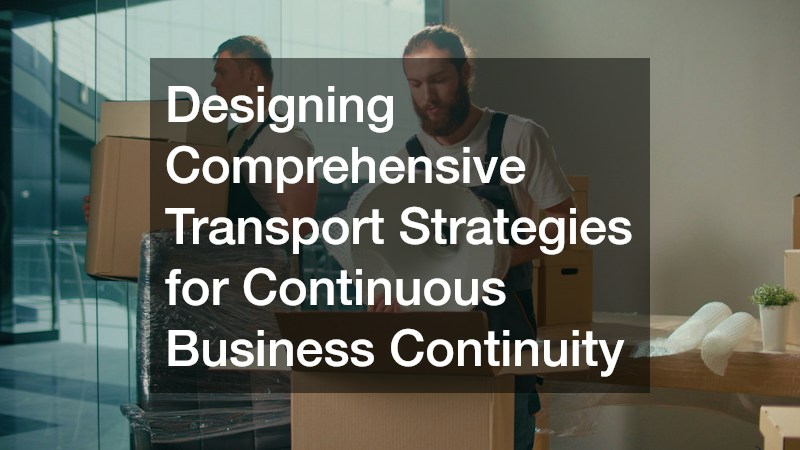
A successful corporate transition requires a detailed transport plan that protects technological assets, inventory flow, and internal staff productivity throughout the move. When moving an enterprise, leadership cannot afford to shut down customer support, dispatch operations, or financial transactions for days on end. Trying to pack and transport departmental assets without a phased timeline inevitably leads to misplaced cables, unorganized document boxes, and widespread confusion that can paralyze staff during the first critical days in the new facility.
Selecting comprehensive, multi-tiered moving services gives businesses the structured logistical backing needed to maintain client-facing operations during physical transitions. Full-spectrum commercial packages offer specialized anti-static packaging for sensitive electronic server clusters, secure rolling carts for confidential personnel records, and precision tracking systems that log every transport bin. Experienced logistics coordinators schedule the transition in phased waves, moving non-essential storage and backup systems during midweek operations while scheduling the primary IT and workstation transfers over a single weekend. A well-organized, comprehensive moving package ensures that employees depart their old desks on Friday afternoon and sit down to fully functional workstations on Monday morning.
Deploying Specialized Trade Specialists for Systematic Workstation Breakdown
The physical packing of an active corporate office requires systematic organization, specialized equipment, and trained manual labor. Modern work environments contain thousands of interconnected components, from multi-monitor desk mounts and proprietary docking hubs to confidential human resources files and executive office suites. Tasking internal administrative or technical staff with packing boxes, lifting heavy equipment, and loading trucks causes widespread employee fatigue, increases workplace injury liabilities, and pulls valuable personnel away from their primary operational duties.
Enlisting certified, background-checked movers and packers ensures that every workstation, file archive, and conference suite is systematically dismantled, padded, and categorized. Professional commercial packing crews arrive equipped with uniform color-coded plastic rolling crates, heavy bubble wrap, and barcode-scanned tagging systems that link every bin to a specific employee and new desk location. They carefully wrap sensitive electronics in anti-static foam wraps, place peripheral cables into labeled accessory sleeves, and secure dense paper files in locked security bins. Utilizing specialized packing labor protects valuable electronic assets from transit shocks, prevents lost documents, and allows company employees to stay focused on high-value business operations without interruption.
Partnering with Enterprise Carriers for Multi-Department Facility Transfers
Managing a large-scale corporate relocation involving hundreds of employees, multiple departments, and extensive physical infrastructure requires advanced project management and seasoned trade leadership. Coordinating rolling equipment, managing loading dock elevators, coordinating freight convoys, and aligning with building management rules demands a logistics partner with extensive commercial experience. Smaller sole-proprietor hauling teams simply lack the labor depth and specialized rigging equipment needed to execute a major corporate move efficiently.
Contracting a licensed, full-service corporate moving company provides the dedicated project leadership, commercial liability coverage, and experienced labor needed for large facility transitions. Professional commercial project managers conduct detailed walkthroughs of both origin and destination facilities, establishing clear traffic routes, reserving freight elevators, and installing protective floor runners and door-jamb shields along high-traffic hallways. They coordinate with building engineers to follow commercial loading dock regulations and run synchronized double-shift crews to complete multi-floor moves within tight operational windows. Relying on an enterprise carrier ensures clear communication, tight timeline control, and dependable accountability across every phase of the corporate transition.
Assembling Ergonomic Workstations and Modular Office Floor Plans
Once freight arrives at the new facility, the focus immediately shifts to assembling interior furniture, configuring private offices, and setting up collaborative work environments. Contemporary workplace design centers around flexible modular cubicle systems, sit-stand motorized desks, ergonomic task seating, and acoustic breakout pods that promote focus and physical comfort. However, commercial modular furniture systems feature intricate structural brackets, concealed internal electrical channels, and integrated data routing that require specialized assembly tools and trade expertise.
Hiring certified office furniture installers guarantees that modular workstation systems, executive suites, and conference center furnishings are assembled according to architectural space plans. Experienced furniture mechanics understand the mechanical connections and integrated power raceways within leading commercial furniture brands, assembling multi-pod desking arrays with structural rigidity and perfect alignment. They level work surfaces across uneven commercial concrete slabs, run internal electrical whips through partition baseboards for licensed electricians, and mount acoustic felt dividers to dampen ambient sound. Professional furniture installation creates an organized, ergonomic workplace that supports employee health, boosts daily productivity, and reflects polished corporate professionalism.

Engaging Commercial Signage Fabricators to Establish Brand Authority
While interior operations are assembled inside the facility, establishing a commanding exterior brand presence is equally vital to growing an enterprise. A newly acquired corporate facility or retail storefront presents a prime canvas for communicating market authority, stability, and commercial identity to visiting clients, investors, and the surrounding business community. Generic temporary banners, vinyl window stickers, or worn inherited signs project an impression of impermanence and unreliability, which can undermine the prestige of an expanding organization.
Partnering with an established business sign company allows leadership to design, fabricate, and install architectural-grade exterior displays that project authority and brand sophistication. Experienced commercial fabricators translate corporate logos into high-impact physical displays, using weather-resistant materials like routed solid aluminum, impact-resistant acrylics, and energy-efficient LED illumination components. They engineer structural mounting assemblies that withstand regional wind loads, optimize viewing angles for passing highway traffic, and ensure that illuminated displays remain bright and visible day and night. Investing in commercial-grade signage fabrication establishes strong brand authority, ensuring that the new headquarters serves as a 24/7 visual testament to the company’s market success.
Navigating Municipal Zoning Codes and Permitting Regulations with Community Craftsmen
Installing exterior architectural signage is a heavily regulated process that requires strict adherence to local municipal building codes, zoning ordinances, and structural safety standards. City planning departments enforce detailed regulations regarding maximum signage square footage, vertical setback distances, illumination brightness levels, and structural anchoring methods. Attempting to install exterior building signage without proper municipal permits can result in costly stop-work orders, steep municipal fines, and orders to remove non-compliant displays at the company’s expense.
Collaborating with a knowledgeable local sign company ensures that all exterior and interior branding installations comply with regional municipal codes and commercial property covenants. Community-based signmakers have established relationships with municipal planning boards, historic district commissions, and building inspection offices, enabling them to navigate permit applications, structural engineering reviews, and variance requests smoothly. They conduct precision on-site property surveys, inspect building facades for secure structural anchoring points, and coordinate with licensed electrical contractors to wire high-voltage illumination connections safely. Working with an experienced local sign team eliminates bureaucratic delays, prevents regulatory penalties, and ensures that new signage meets every safety code and zoning requirement.
Fabricating Distinctive Exterior Displays to Define Corporate Headquarters
The centerpiece of a company’s exterior presence is the primary architectural sign displayed prominently on the building facade, parapet wall, or front landscape entrance. Whether designed as large, internally illuminated reverse-channel letters, an impressive brushed metal lobby logo, or an architectural stone monument sign set amid manicured landscape beds, this visual anchor introduces the brand to every visitor. High-quality exterior signage enhances the customer arrival experience, aids navigation for delivery carriers, and reinforces the enterprise’s market reputation within the local business ecosystem.
Commissioning a premium custom business sign gives an expanding company a striking visual centerpiece tailored to its architectural surroundings and brand identity. Experienced signage designers combine specialized materials—such as satin-brushed brass, powder-coated architectural aluminum, polished tempered glass, and warm edge-lit LEDs—to mirror the company’s corporate identity. Precision CNC routing and computer-controlled water-jet cutting ensure that typography, logos, and proportions align perfectly with official corporate brand standards. Installing a custom architectural sign transforms a standard building facade into an impressive corporate landmark, reinforcing company pride and establishing a memorable brand presence for everyone who visits the facility.
Launching Targeted Promotional Campaigns to Accelerate Market Adoption
Securing a modern commercial facility and unveiling professional exterior signage provides the physical foundation for growth, but maximizing the return on these capital investments requires actively driving customer traffic and business inquiries to the new location. A silent, unannounced launch leaves local corporate prospects, retail foot traffic, and regional business partners unaware of the expanded capabilities and new services available. Companies must turn their physical expansion into an exciting market narrative that attracts new clients, strengthens community connections, and fuels immediate revenue growth.
Executing a structured local business marketing campaign introduces the expanded enterprise to surrounding commercial hubs, target residential demographics, and regional business networks. Marketing leaders coordinate targeted digital campaigns across localized search engines, update geo-tagged mapping profiles with high-resolution photography of the new facility, and run geotargeted promotional advertisements across regional business publications. They organize professional open-house events, ribbon-cutting ceremonies with local chambers of commerce, and targeted direct-mail announcements sent to neighboring corporate executives and community leaders. Combining physical facility upgrades with proactive, localized marketing ensures steady customer traffic, drives new account conversions, and cements the enterprise’s position as a thriving leader within the regional economy.
Achieving sustainable, long-term business expansion requires coordinating facility acquisition, professional moving logistics, ergonomic workstation setup, architectural signage fabrication, and community-focused marketing into a single, cohesive growth strategy. Treating a business expansion as an integrated project—rather than a collection of separate, disconnected tasks—ensures that operational downtime is minimized, digital infrastructure remains safe, and company employees adapt quickly to their new surroundings. When an adaptable commercial building is paired with professional freight transit, well-designed modular office systems, and prominent exterior branding, the enterprise establishes a strong physical and operational base that supports higher revenue capacity and ongoing market expansion.