
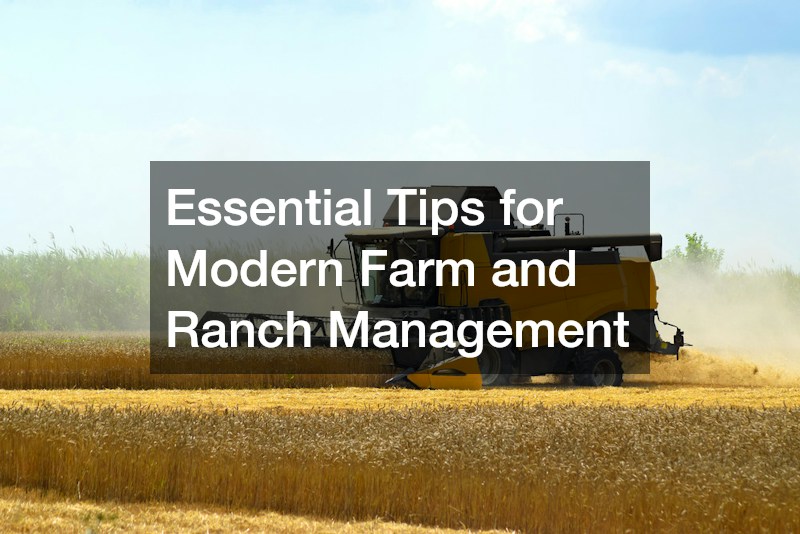
The modern agricultural landscape is undergoing a dramatic shift driven by technological advances, changing economic realities, dynamic market demands, and shifting environmental conditions. Managing a farm or ranch today requires a balancing act between traditional stewardship and progressive business strategy. Operators must navigate resource allocation, infrastructure investment, daily operations, and long-term risk mitigation. Whether overseeing vast acreage or running a targeted livestock setup, implementing structured and modern management practices is critical to ensuring operational efficiency, profitability, and animal welfare.
Modern Infrastructure and Construction Strategy
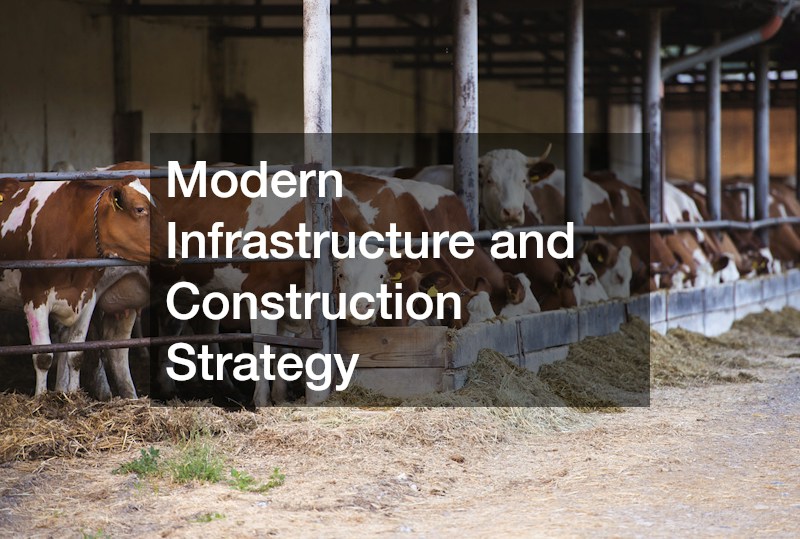
Investing in Versatile Post-Frame Structures
Building adaptable and durable structures is one of the most effective long-term investments a land manager can make. Post-frame construction provides large, open interior spans that can easily accommodate heavy machinery, livestock housing, feed storage, or workshop spaces. When planning new buildings, sourcing commercial-grade pole barn supplies ensures that framing timber, metal siding, and structural fasteners can withstand severe weather events and intense daily wear. High-quality materials reduce continuous maintenance overhead, allowing farm hands to focus on core operations rather than structural repairs.
Designing Dual-Purpose Facilities for Living and Working
Combining residential quarters with operational space has become an increasingly popular way to streamline farm administration and maximize land use. Custom barndominiums offer an efficient solution by housing living spaces and operational facilities under one roof, reducing overall construction overhead and simplifying utility integration. These multi-use buildings allow managers to remain close to daily operations, livestock, and critical equipment, significantly reducing transit time across large properties while maintaining comfortable, modern living quarters.
Partnering with Certified Regional Construction Experts
Selecting qualified contractors for major building projects ensures that all developments meet localized load requirements and zoning regulations. Experienced pole barn builders bring specialized knowledge in site preparation, ventilation design, and foundation settling, which prevents costly structural revisions down the road. Furthermore, working with local barn builders ensures quicker project completion and ready access to ongoing service or expansions, as regional contractors possess direct familiarity with local soil profiles, climate patterns, and municipal permits.
Sustainable Resource Conservation and Energy Efficiency
Integrating On-Site Renewable Energy Systems
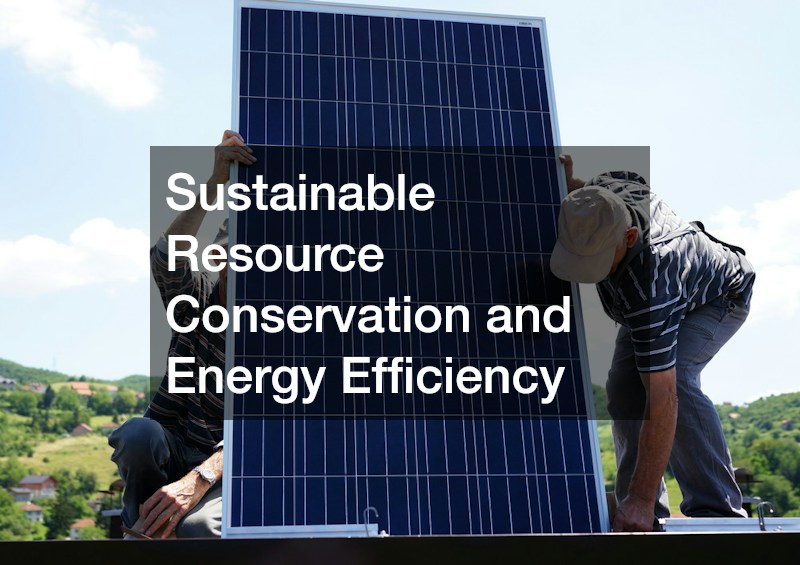
Energy costs represent a continuous operational expense that directly impacts farm profitability. Integrating solar panels, micro-wind turbines, or biomass systems onto farm properties allows operators to generate clean, predictable electricity for irrigation pumps, cooling systems, and shop operations. Modern post-frame structures provide expansive roof surfaces ideal for solar array installations, transforming static storage facilities into energy-generating assets that lower monthly utility bills and insulate the business against grid volatility.
Optimizing On-Farm Water Storage and Capture
Water security is essential for sustaining livestock health and maintaining crop yields through dry seasons. Constructing dedicated retention ponds, installing rainwater harvesting systems off roof structures, and deploying high-capacity storage tanks ensure a consistent water supply during prolonged droughts. Capturing rainwater runoff from primary work sites reduces local erosion around foundations while providing a reliable secondary water source for equipment washdowns, livestock hydration, and localized irrigation.
Advanced Machinery and Equipment Management
Establishing Rigorous Maintenance Protocols for Machinery
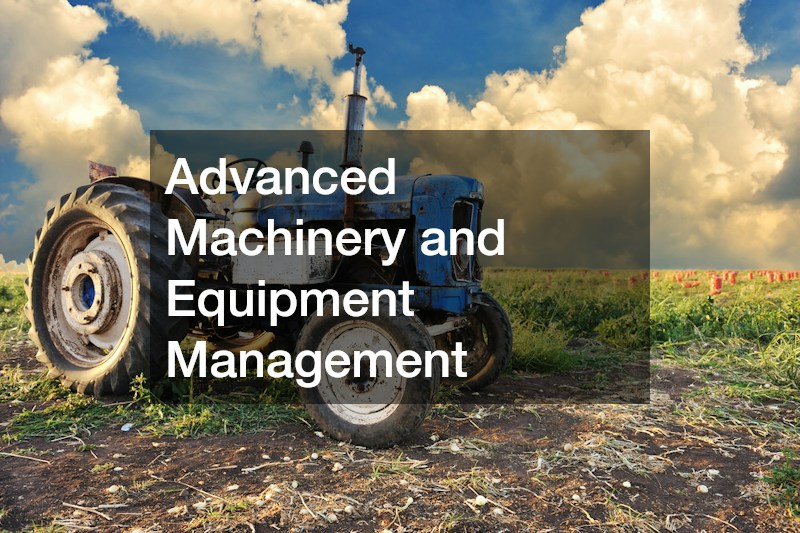
Heavy machinery represents one of the largest capital expenditures for any farm or ranch, making preventative maintenance essential to protecting the bottom line. Developing a systematic servicing program for agricultural equipment prevents unexpected breakdowns during high-demand operational windows like harvesting or planting. Detailed logs tracking oil changes, hydraulic line inspections, belt replacements, and tire pressures extend the operating lifespan of heavy assets and safeguard secondary resale value over time.
Modernizing Operations with Automated Implements
Upgrading legacy tools with modern, technology-enabled implements improves daily throughput and significantly reduces operational labor costs. Equipping farm machinery with GPS tracking, yield monitoring sensors, and telematics allows operators to optimize field navigation, reduce overlap during spraying or seeding, and track fuel consumption. These precision data points give farm managers real-time insights into field performance, helping identify bottlenecks and ensure capital equipment is deployed efficiently across the property.
Precision Land and Soil Stewardship

Applying Data-Driven Irrigation and Soil Protocols
Soil health forms the foundation of all crop productivity and pasture sustainability. Utilizing digital soil sampling, moisture sensors, and targeted variable-rate technology helps operators apply exact amounts of water, lime, and fertilizers precisely where needed. This precise application prevents nutrient runoff, protects groundwater supplies, and ensures optimum soil conditioning, yielding healthier crops and richer pastures without overspending on synthetic inputs or excessive water usage.
Utilizing Multi-Species Cover Crop Systems
Leaving fields bare between commercial cropping cycles leads to soil erosion, nutrient leaching, and topsoil loss. Planting multi-species cover crops such as legumes, brassicas, and deep-rooting radishes restores soil nitrogen, breaks up compacted subsoil layers, and suppresses weed growth naturally. Integrating cover crops improves soil organic matter, increases moisture retention, and creates ideal grazing pasture during off-season months, turning dead time into active soil enhancement.
Enhancing Nutrient Cycling Through Composting Operations
Managing livestock manure effectively transforms a potential environmental hazard into valuable organic soil conditioner. Developing dedicated composting pads allows farm staff to combine manure, bedding materials, and organic waste into nutrient-rich compost. Applying aged compost back onto pasture fields improves soil structure, enhances beneficial microbial activity, and reduces dependency on expensive synthetic fertilizers, closing the nutrient loop on the farm property.
Implementing Strategic Pasture Rotation Systems
Overgrazing can quickly degrade valuable acreage, leading to soil erosion, weed encroachment, and reduced forage yield. Implementing structured rotational grazing strategies allows fields to rest and regenerate, preserving native grasses and boosting pasture resilience. Dividing large pasture blocks into smaller paddocks allows livestock to harvest high-density nutrients efficiently before being moved to fresh ground, maximizing forage yield per acre and maintaining vibrant soil microbiomes naturally.
Perimeter Security and Containment Solutions
Selecting Purpose-Built Barriers for Livestock Safety
Securing boundary lines and interior paddocks requires careful planning and selection of appropriate barrier materials based on livestock species, predator threats, and terrain topography. Installing rugged agricultural fencing around pasture perimeters prevents costly livestock escapes, minimizes disease exposure from roaming wildlife, and establishes clear legal boundaries. Selecting high-tensile wire, woven mesh, or heavy-duty paneling ensures that containment structures remain taut and reliable for decades with minimal intervention.
Upgrading Gates and Perimeter Access Points
Perimeter security relies heavily on the durability and layout of access points. Upgrading field gates to heavy-gauge steel designs with secure, livestock-proof latches prevents accidental breaches caused by crowding or rubbing. Additionally, widening major field access points allows large equipment to move seamlessly between pastures and roadways without damaging gate posts, fence lines, or surrounding soil structures during transit.
Comprehensive Livestock Management and Health Care
Implementing Precision Breeding and Genetic Selection
Enhancing herd quality through selective breeding improves feed conversion rates, disease resistance, and overall market value. Utilizing performance tracking software, artificial insemination, and genomic testing allows ranchers to select breeding stock based on proven genetic traits. Developing a superior herd over time yields healthier offspring, reduces calf or foal mortality rates, and commands higher market prices at sales, driving long-term profitability for livestock operations.
Managing Herd Grouping and Stress Reduction Practices
Animal stress directly affects growth rates, immune system health, and overall reproduction efficiency. Structuring herd housing, pen designs, and movement pathways to accommodate low-stress handling principles reduces animal anxiety and prevents handler injuries. Grouping livestock by age, weight, and nutritional needs ensures equal access to feed and prevents dominant animals from crowding out weaker herd members during feeding cycles.
Preparing Rapid Responses for Unforeseen Animal Hazards
Working with large animals in rugged environments carries inherent operational risks, from wildlife conflicts to unexpected livestock trapping in mud, ravines, or natural sinkholes. Establishing clear operational procedures for emergency animal removal ensures that farm staff can extract stranded or endangered animals safely without causing further trauma to the animal or risking crew injury. Having specialized rigging gear and clear protocols on hand dramatically improves outcomes during critical land incidents.
Establishing Round-the-Clock Critical Care Pathways
Unexpected illnesses, complex birthing complications, or severe field trauma require immediate medical intervention from qualified professionals. Maintaining direct relationships with providers of equine emergency services guarantees rapid response times when prized horses or working stock experience acute medical crises. Early coordination with mobile veterinary response teams ensures immediate stabilization and minimizes recovery time for critical working assets.
Integrating Local Veterinary Facilities into Emergency Plans
While mobile field veterinary teams handle many routine and urgent issues on-site, severe cases require controlled medical environments. Identifying nearby specialized animal hospitals ensures that livestock can be quickly transported to fully equipped surgical or intensive care facilities when necessary. Establishing transport arrangements and keeping medical history files accessible speeds up treatment decisions when minutes count most.
Workforce Management and Operational Safety
Implementing Comprehensive Safety and Hazard Training
Agricultural operations involve high-powered machinery, heavy animals, and chemical handling, making workplace safety a top priority. Establishing routine safety training for all farm hands dramatically reduces workplace injuries and lowers worker compensation premiums. Training protocols should cover proper personal protective equipment usage, machine emergency shut-off procedures, safe animal handling techniques, and chemical application safety, creating a culture of security and accountability across the entire operation.
Cross-Training Staff Across Multiple Operational Roles
A flexible workforce is essential for navigating busy operational seasons or unexpected staffing shortages. Cross-training employees in equipment operation, basic mechanical repairs, livestock handling, and administrative reporting ensures that daily tasks continue uninterrupted if key personnel are absent. Cross-trained team members gain a broader understanding of overall farm operations, improving internal communication, reducing downtime, and boosting employee retention through skill development.
Supply Chain, Logistics, and Inventory Control
Streamlining Inventory Tracking for Critical Inputs
Managing inventory effectively prevents costly project delays during critical planting, harvesting, or building seasons. Utilizing digital inventory management systems allows managers to track stock levels of seed, fertilizer, spare machine parts, fuel, and daily operating supplies in real time. Automated reorder alerts ensure that vital supplies are reordered before running out, eliminating downtime and allowing farm hands to maintain uninterrupted workflows throughout the working year.
Establishing Direct Supply Relationships with Manufacturers
Procuring key building materials, fencing supplies, and equipment parts directly through primary distribution networks cuts intermediate markup costs and ensures consistent material quality. Securing reliable supplier contracts guarantees priority delivery schedules during peak construction seasons, ensuring critical building projects or perimeter repairs are completed on schedule. Direct relationships with manufacturers also facilitate faster warranty claims and technical support when maintenance issues arise.
Financial Planning, Compliance, and Business Resilience
Diversifying Revenue Streams for Long-Term Resilience
Relying on a single crop or livestock breed exposes operations to market volatility, climate fluctuations, and supply chain disruptions. Modern operators enhance financial stability by diversifying income streams through agritourism, direct-to-consumer sales, custom farming services, or renewable energy leases. A diversified income model buffers cash flow during lean yield years and strengthens the overall enterprise against broader market downturns.
Leveraging Enterprise Management Software
Managing modern agricultural businesses requires real-time data visibility across inventory, labor costs, equipment hours, and yield metrics. Adopting comprehensive management software consolidates field logs, financial accounts, and compliance reporting into a single dashboard. This real-time administrative access simplifies regulatory compliance, streamlines payroll, and provides actionable financial insights for future capital planning.
Maintaining Rigorous Regulatory and Environmental Records
Modern agricultural management requires strict compliance with local, state, and federal regulations regarding water usage, land management, and animal welfare. Keeping accurate digital records of chemical applications, water extractions, livestock medical treatments, and waste management activities protects the business during regulatory audits. Organized documentation also simplifies crop insurance claims and supports applications for federal land conservation grants and low-interest operational loans.
Conducting Annual Property and Asset Valuation Reviews
Regularly updating the asset values of land, buildings, heavy machinery, and standing herds ensures proper insurance coverage and accurate financial reporting. Working with accredited agricultural appraisers identifies potential coverage gaps before major weather events or accidents occur. Up-to-date financial assessments strengthen credit applications with lenders, support accurate estate planning, and ensure that all physical and biological assets are fully protected against unexpected loss.
Successfully managing a modern agricultural enterprise requires combining reliable infrastructure, advanced technology, sound land stewardship, and proactive emergency planning. By continually upgrading facilities, modernizing equipment maintenance, securing pasture boundaries, and preparing clear protocols for animal safety and medical emergencies, operators can protect their investments and build a resilient business prepared for future growth.