
Creativity is often associated with artists, musicians, writers, and designers, but creative thinking plays a major role in a much wider range of careers. Many professions depend on the ability to imagine possibilities, solve unusual problems, understand aesthetics, and then turn ideas into something practical. In these fields, creativity alone is not enough. Technical skill, specialized training, precision, and business knowledge are equally important.
Some of the most rewarding careers combine artistic judgment with hands-on expertise. A person may spend years mastering materials, equipment, software, procedures, or regulations before developing a distinctive professional style. Others begin with a natural interest in design or problem-solving and gradually build the technical abilities necessary to turn that interest into a career.
From beauty and fashion to construction, law, healthcare, and media production, creative professionals can be found almost everywhere. Exploring these industries demonstrates how vision and technical skill can work together to create meaningful career opportunities.
Turning Artistic Ability Into a Professional Craft
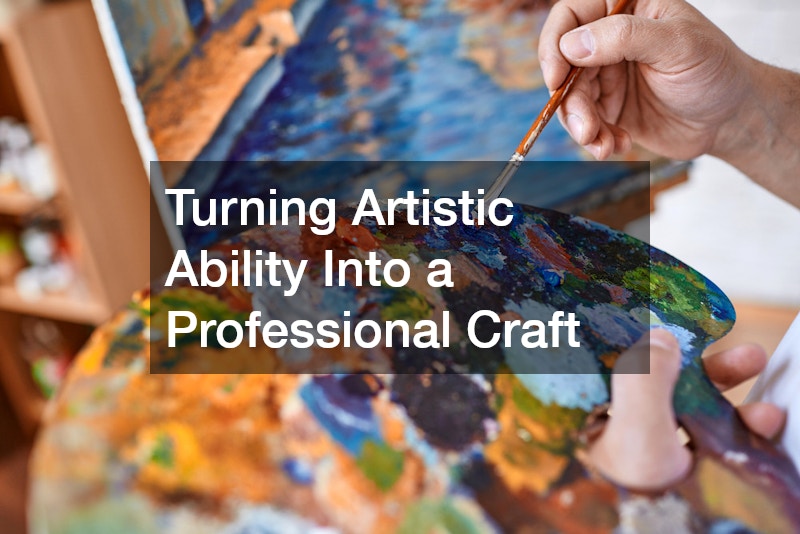
Tattooing is a career that requires both artistic vision and technical discipline. Tattoo artists must understand drawing, composition, color, proportion, and visual storytelling. At the same time, they need knowledge of equipment, sanitation procedures, skin behavior, and application techniques.
Someone hoping to work at the best tattoo shop in their area cannot rely on drawing ability alone. Professional tattooing requires consistency, communication, patience, and an understanding of how artwork will translate from paper or a digital screen onto the body.
Successful artists also learn how to interpret client ideas. A customer may arrive with only a vague concept, leaving the artist to transform it into a design that works visually and technically. That combination of collaboration and craftsmanship is a recurring theme in many creative professions.
Tattoo artists may also develop specialties such as realism, fine-line work, traditional designs, geometric patterns, lettering, or illustrative tattooing. Building a recognizable style can help an artist establish a reputation while still adapting to the preferences of individual clients.
Creating Style Through Hair and Beauty

Beauty careers provide another path for people who enjoy combining aesthetics with technical expertise. A hairstylist works with shape, texture, movement, and color while also understanding hair structure, chemical treatments, cutting techniques, and styling tools.
The work requires careful observation. A hairstyle that looks appealing in a photograph may need to be adapted based on a client’s hair type, face shape, maintenance preferences, or professional environment. Stylists therefore use both creativity and analysis when making recommendations.
Color services can require even more technical understanding. Professionals must know how different formulas interact with existing pigments, how processing times affect results, and how to protect the condition of the hair. Achieving a specific visual effect depends on accurate measurements and controlled application.
Career growth may eventually lead to salon ownership, education, product development, editorial work, or styling for photography and entertainment. In each case, technical knowledge provides the foundation while creativity helps professionals differentiate themselves.
Finding New Possibilities in Fashion and Retail
Creative careers do not always involve producing something entirely from scratch. Sometimes creativity comes from recognizing new possibilities in existing items.
A person working with thrift store clothing, for example, may develop skills in styling, merchandising, resale, restoration, photography, and trend analysis. Secondhand fashion has created opportunities for entrepreneurs who know how to identify desirable pieces and present them to new audiences.
Visual merchandising is particularly important in this field. The way clothing is grouped, photographed, displayed, or promoted can influence how customers perceive its value. Someone with a strong eye for color, texture, proportion, and current trends can transform a collection of unrelated items into a cohesive retail experience.
Digital platforms have expanded these opportunities. Resellers can operate online shops, create social media content, produce styling videos, or build niche brands around particular eras and aesthetics. Success depends on creative presentation as well as practical knowledge of inventory, pricing, shipping, customer service, and marketing.
Building Functional Spaces With Imagination
Construction may appear primarily technical, but creativity plays a major role in how buildings are planned and executed. A metal building contractor must understand structural requirements, materials, site conditions, codes, scheduling, and installation processes. At the same time, contractors frequently encounter design challenges that require flexible thinking.
Clients may want a building to serve several purposes at once. A commercial structure might need storage, office areas, specialized equipment, customer-facing spaces, or future expansion capabilities. Creating an efficient solution requires more than following standard specifications.
Professionals in this field work with architects, engineers, suppliers, subcontractors, and property owners. They often need to translate a client’s broad vision into practical construction decisions.
Creativity becomes especially valuable when budgets, property dimensions, timelines, or regulations create limitations. Instead of treating constraints as obstacles, experienced professionals look for solutions that preserve the project’s function and appearance while remaining achievable.
Bringing Events and Experiences to Life
Some creative careers focus on creating experiences rather than permanent physical objects. Audio visual production is a good example.
Professionals in this industry may work on corporate events, concerts, conferences, live streams, presentations, educational programs, theatrical performances, or branded experiences. Their responsibilities can involve sound systems, video displays, lighting, cameras, microphones, projection, staging, and streaming technology.
A successful event depends on precise technical execution, but the audience usually experiences the final result as a unified creative presentation.
Lighting can shape the mood of a room. Sound quality affects how clearly audiences hear speakers or performers. Screen placement influences what attendees notice. Camera angles can change how an event appears to remote viewers.
Technicians and producers need to understand how these elements interact. They may also need to respond quickly when equipment fails, schedules change, or speakers request last-minute adjustments. Creativity in this environment often appears through rapid problem-solving.
Making Art Through Materials and Texture
Traditional craftsmanship continues to provide meaningful career paths for people who prefer hands-on creative work. A handmade rug service, for instance, can combine textile design with skilled production techniques.
Rug makers may work with color palettes, patterns, fibers, dimensions, and textures to create pieces suited to particular interiors. Depending on the production method, the work may involve weaving, tufting, knotting, trimming, finishing, or restoration.
Custom projects require communication as well as artistic ability. A client may want a rug that coordinates with existing furniture, architecture, artwork, or brand colors. The craftsperson must interpret those requirements while considering practical concerns such as durability, materials, cleaning, and scale.
Modern makers can also combine traditional methods with digital design tools. Patterns may begin as computer illustrations before being translated into textile work. This blend of old and new techniques demonstrates how creative careers can evolve without abandoning craftsmanship.
Transforming Stone Into Architectural Features
Natural materials offer another outlet for creative professionals. Natural stone appears in countertops, flooring, walls, fireplaces, outdoor environments, architectural details, and decorative installations.
Working with stone requires a strong understanding of the material itself. Different varieties have different levels of hardness, porosity, veining, coloration, and durability. Professionals must consider where a material will be installed and how it will respond to moisture, traffic, weather, cleaning products, and daily use.
Design judgment is equally important. The orientation of a slab, placement of seams, pattern matching, edge profiles, and surface finishes can dramatically change the final appearance.
Stone fabrication and installation therefore combine design decisions with measurement, cutting, polishing, transportation, and precise fitting. Small technical errors can affect an entire installation, which makes careful planning essential.
Restoring Beauty Through Specialized Craftsmanship
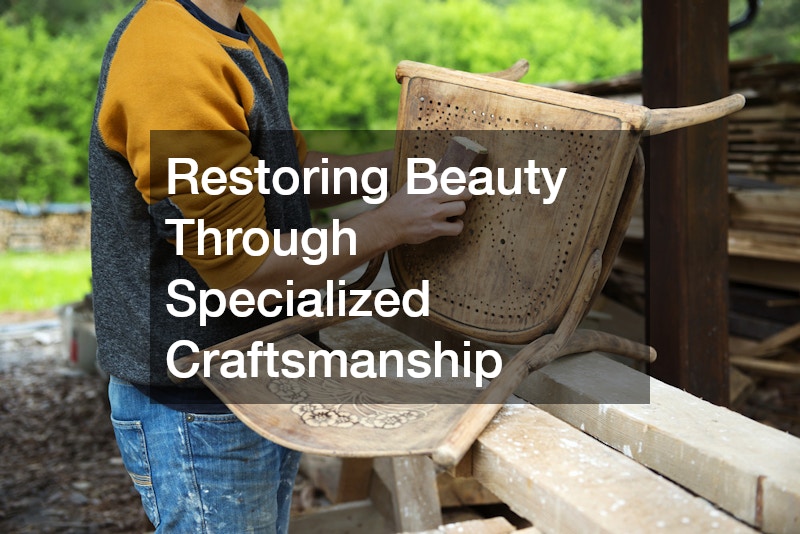
Not every creative career involves producing something new. Restoration professionals often use their skills to recover the original appearance of valuable materials.
Marble restoration requires knowledge of stone composition, surface damage, polishing techniques, stains, scratches, etching, and finishing methods. The goal is often to improve an existing surface without changing the character that made it attractive in the first place.
This type of work calls for restraint. A technician must assess the condition of the marble before choosing an appropriate process. Using the wrong treatment can create new problems rather than solving existing ones.
There is also an aesthetic element. Professionals need to recognize when a surface has reached the appropriate level of polish or when repairs visually blend with surrounding areas.
Restoration demonstrates an important aspect of creative work: sometimes creativity means preserving and improving rather than replacing.
Combining Science, Healthcare, and Aesthetics
Many clinical roles involve detailed aesthetic judgment. Cosmetic dentists, for example, work at the intersection of healthcare, engineering, and visual design. Treatments may involve changes to tooth shape, alignment, spacing, color, or proportion. Achieving a natural-looking result requires an understanding of facial balance and individual anatomy.
Clinical decisions must still come first. A treatment that looks attractive must also support oral function and long-term health. Professionals need extensive education and technical training before performing procedures.
Digital technology has expanded the creative side of dentistry. Imaging, scanning, modeling, and treatment-planning tools can help practitioners visualize potential changes before treatment begins.
The profession shows how technical expertise can create a foundation for aesthetic decision-making. Creativity becomes most valuable when it operates within clear scientific and ethical standards.
Applying Creative Strategy to Legal Work
Criminal lawyers must understand statutes, legal precedent, court procedures, evidence, negotiation, and professional ethics. However, individual cases rarely unfold in exactly the same way.
Attorneys need to evaluate information, identify inconsistencies, anticipate opposing arguments, and determine how facts can be organized into a persuasive legal strategy. This process involves structured creativity.
Communication is also important. Lawyers must explain complicated legal concepts to clients, judges, juries, or other attorneys. The ability to present information clearly can be just as important as identifying the relevant law.
Creative legal thinking does not mean ignoring rules. Instead, it means understanding the available framework well enough to recognize options that may not be immediately obvious.
Developing Technical Skills Without Losing Creative Identity
People entering creative careers sometimes worry that formal training will make their work feel less original. In practice, technical education usually gives professionals more freedom.
A tattoo artist who understands application techniques can attempt more sophisticated designs. A stylist with advanced knowledge of hair chemistry can create color results more predictably. A stone fabricator who understands equipment and materials can execute complex installations with greater confidence.
Technical skills turn ideas into repeatable results.
Training can come from many sources, including apprenticeships, trade schools, degree programs, certifications, workshops, mentorships, and supervised professional experience. The appropriate path depends on the industry.
Some careers require licenses or formal education. Others are built primarily through portfolios and hands-on experience. Regardless of the route, professionals benefit from developing both creative and practical abilities.
Building a Portfolio That Demonstrates More Than Talent
A strong portfolio can help people in creative industries communicate what they are capable of doing. However, an effective portfolio should show more than attractive finished work.
Potential employers or clients may want to understand how someone thinks.
A designer might show early sketches next to a completed project. A craftsperson could document the production process. An audiovisual professional might explain how technical challenges were solved during an event.
These examples demonstrate problem-solving ability rather than simply displaying results.
Portfolios can also show range. A professional might include several styles or types of projects while maintaining a recognizable level of quality.
For service-based careers, testimonials, case studies, before-and-after images, project descriptions, and professional credentials can strengthen credibility.
Turning Creative Expertise Into a Business

Many creative professionals eventually working independently or starting a business.
However, running a creative business introduces responsibilities that have little to do with the craft itself.
Owners must manage scheduling, contracts, taxes, insurance, customer communication, marketing, inventory, vendors, and financial planning. They may also need to hire employees or coordinate subcontractors.
Brand development is especially important in creative industries. Clients often choose professionals based on style, reputation, personality, or specialization. A clear brand helps communicate what makes a business distinctive.
Professionals do not need to appeal to everyone. In many cases, developing a focused niche can make marketing easier and attract customers who already appreciate a particular approach.
Creating a Career Where Ideas Become Real
Careers built around creativity are often most successful when imagination is supported by discipline.
The ability to generate an idea is valuable, but professionals must also know how to execute it safely, consistently, and effectively. That requires practice, education, attention to detail, and a willingness to keep learning.
A creative career might involve designing tattoos, styling hair, curating fashion, producing events, building structures, crafting textiles, shaping natural materials, restoring surfaces, improving smiles, or developing legal strategies. These professions may appear unrelated, yet they share an important characteristic: each requires people to look at a challenge and imagine what could be done differently or better.
Technical knowledge makes that vision achievable.
For people exploring future careers, it can be useful to think beyond traditional definitions of creativity. Artistic ability is only one form of creative thinking. Problem-solving, design judgment, communication, adaptability, craftsmanship, and strategic thinking can all turn into valuable professional skills.
The strongest career path may be one that allows both sides to develop together: the ability to imagine possibilities and the technical expertise required to bring them to life.