
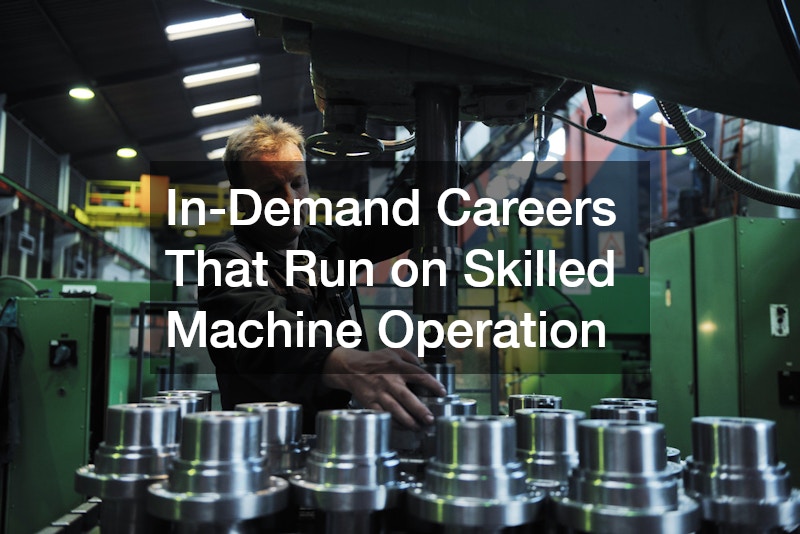
Modern economies are increasingly built on precision, machinery, and technical coordination rather than purely manual labor. Across construction sites, industrial facilities, infrastructure projects, and environmental systems, skilled operators are essential to keep projects moving safely and efficiently. These roles often require a blend of hand-eye coordination, technical understanding, and the ability to manage complex equipment under real-world conditions. As industries expand and infrastructure ages, the demand for workers who can competently operate specialized machines continues to grow.
What makes these careers especially valuable is that they are difficult to automate fully. While technology has advanced rapidly, human judgment is still essential when operating heavy equipment, adjusting systems in dynamic environments, or responding to unexpected conditions on-site. From construction oversight to industrial processing and environmental management, machine operation remains at the center of essential work.
The Growing Importance Of Precision-Based Labor
Across multiple industries, employers are placing higher value on workers who can handle equipment with accuracy and confidence. This includes everything from construction machinery to environmental control systems and industrial processing tools. Unlike entry-level labor roles of the past, today’s machine operation careers often involve digital controls, sensor feedback, and safety-critical decision-making. Many systems are now integrated with computerized dashboards that track performance in real time, meaning operators are expected not only to physically manage equipment but also to interpret data and respond quickly to irregularities. This shift has raised the baseline skill level required for many trades, turning what were once purely manual roles into technically demanding positions that require training, certification, and continuous learning.
In recycling and agricultural operations, for example, a baler machine is used to compress materials into manageable units for transport and processing. Operating this equipment requires attention to timing, pressure control, and safety protocols. Even small errors can lead to inefficiency or equipment damage, making trained operators essential. Beyond basic operation, workers often need to adjust settings based on material density, moisture levels, and production demands, which can change throughout the day. In high-volume facilities, operators may also be responsible for routine inspections, minor maintenance, and coordination with logistics teams to ensure continuous workflow. The ability to recognize early warning signs of mechanical strain or misalignment can prevent costly downtime and extend the lifespan of the equipment.
Similarly, environmental management systems like aeration windmills play a role in maintaining water quality in ponds, lagoons, and agricultural systems. These devices require installation, monitoring, and maintenance by technicians who understand both mechanical systems and environmental conditions. Proper positioning is critical, as wind exposure, water depth, and ecosystem balance all influence performance. In many cases, technicians must also troubleshoot issues such as reduced oxygen circulation, mechanical wear, or seasonal variability that affect system efficiency. The work often extends beyond installation into long-term stewardship of environmental conditions, requiring both technical skill and ecological awareness.
Across broader industrial and construction settings, machine operators are increasingly expected to work alongside automated systems rather than simply control them. This means understanding how sensors detect pressure, temperature, load, or alignment, and knowing how to intervene when readings fall outside safe thresholds. It also means communicating effectively with engineers, supervisors, and maintenance teams to resolve issues before they escalate. As industries continue to adopt smarter machinery and integrated systems, the ability to blend hands-on operational skill with analytical thinking is becoming one of the most valuable capabilities in the workforce.
These examples illustrate a broader trend: industries increasingly rely on workers who can combine technical awareness with physical precision. That combination is no longer optional but central to maintaining productivity, safety, and efficiency in environments where both machines and human judgment must operate in close coordination.
Construction Work As A Coordinated Technical System
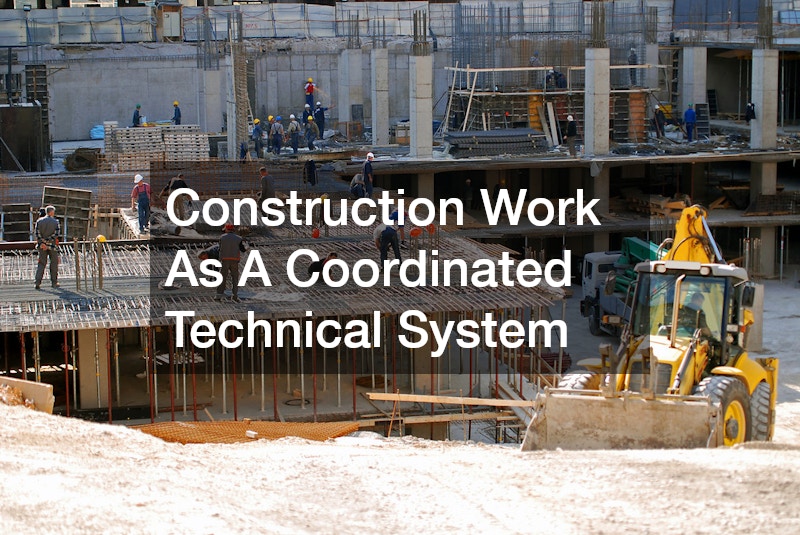
One of the largest areas of growth for skilled machine operation careers is construction. This sector requires coordination between multiple specialized roles, each dependent on equipment handling and timing.
General contractors serve as the central coordinators on construction projects. They oversee timelines, manage subcontractors, and ensure that equipment and labor are used efficiently. Their role requires an understanding of multiple systems working together, from structural work to finishing details.
Roofing professionals also depend heavily on precision. Roofers work in challenging environments where balance, timing, and careful tool handling are critical. Installing roofing materials requires both physical coordination and the ability to operate nailers, cutters, and lifting tools safely at height.
In building climate systems, HVAC companies rely on technicians who install and maintain heating, ventilation, and air conditioning equipment. These systems often involve complex ductwork, electrical components, and diagnostic tools. Technicians must navigate tight spaces while ensuring systems are properly calibrated and efficient.
Each of these roles demonstrates how construction today is less about raw physical labor and more about coordinated technical execution using specialized tools and systems.
Heavy Infrastructure Built On Controlled Power And Timing
Large-scale infrastructure projects depend heavily on machinery that requires trained operators. These roles often involve high-value equipment and precise execution.
For example, crane rentals are essential for lifting heavy materials in construction, shipping, and industrial environments. Crane operators must manage loads with extreme accuracy, accounting for weight distribution, wind conditions, and spatial limitations. A single miscalculation can have serious consequences, making this one of the most skill-intensive machine operation roles.
Road construction is another area where precision machinery is vital. Asphalt pavers are used to lay smooth, even surfaces for highways, streets, and parking areas. Operators must maintain consistent speed, temperature control, and material distribution to ensure long-lasting pavement quality. Coordination between machine operators and ground crews is critical for successful results.
These infrastructure roles highlight the importance of timing and synchronization. Machines do much of the heavy lifting, but human oversight ensures that the work meets safety and quality standards.
Preparing Land For Everything That Comes Next

Industry Systems That Quietly Keep Everything Moving
Beyond construction and land development, machine operation careers also play a critical role in industrial processing and materials management.
In recycling and agricultural processing environments, a baler machine is commonly used to compress waste materials such as cardboard, plastics, or agricultural byproducts. Operators must monitor pressure levels, feeding rates, and safety mechanisms to maintain efficiency and prevent mechanical issues.
Industrial supply chains also depend on organizations like a top specialty chemical supplier, which provides essential materials for manufacturing, agriculture, and infrastructure projects. Workers in these environments often handle chemical storage, mixing, and distribution systems that require strict precision and adherence to safety standards. Machine operation in this context is closely tied to regulatory compliance and quality control.
These industrial roles highlight how machine operation extends beyond visible construction work into behind-the-scenes systems that keep industries functioning.
Working With Natural Systems And Environmental Control
Environmental systems are another growing area for skilled technical operators. These roles often combine mechanical maintenance with ecological awareness.
Aeration windmills are used in ponds, wastewater treatment systems, and agricultural water management setups. They help circulate oxygen in water, improving quality and preventing stagnation. Installing and maintaining these systems requires mechanical skill, environmental understanding, and regular monitoring to ensure optimal performance.
Workers in this field often operate in outdoor and variable conditions, making adaptability and problem-solving essential. Unlike controlled factory environments, environmental systems require operators to respond to weather changes, biological factors, and seasonal variations.
This sector reflects a growing recognition of the importance of sustainability and resource management in modern industry.
Skills That Define Modern Machine Operation Careers
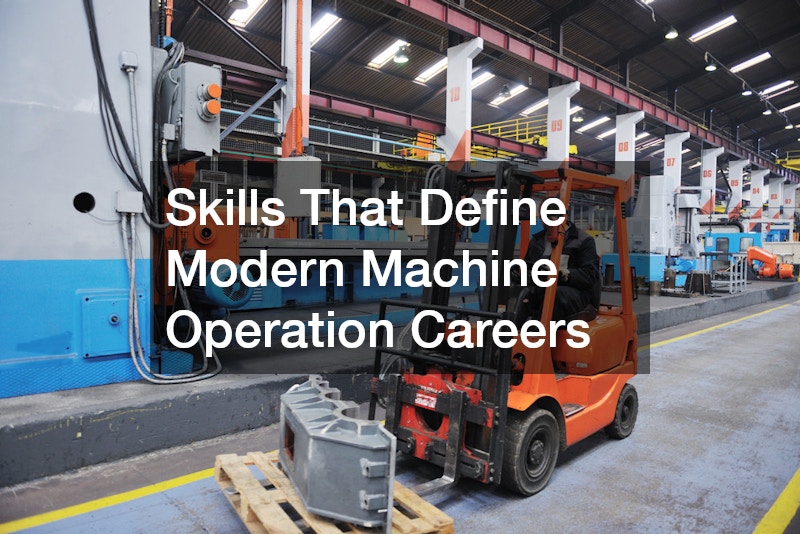
Across all of these industries, certain core skills consistently appear. Hand-eye coordination is fundamental, as many tasks involve precise control of machinery in dynamic environments. Whether guiding heavy equipment, adjusting mechanical systems, or working in confined spaces, physical precision is essential.
Technical literacy is equally important. Modern machines are often digitally controlled, meaning operators must understand interfaces, sensors, and diagnostic tools. Training programs increasingly emphasize both mechanical and digital skills.
Safety awareness is another critical factor. Many of these roles involve heavy equipment, elevated work areas, or industrial systems where mistakes can have serious consequences. Workers must be trained to follow protocols and anticipate risks.
Communication and teamwork also play a major role. Construction sites, infrastructure projects, and industrial facilities rely on coordinated efforts between multiple specialists. No machine operator works in isolation; success depends on collaboration.
The Expanding Frontier Of Skilled Operational Work
As industries evolve, machine operation is no longer just about “running equipment.” It is becoming a hybrid discipline that blends mechanics, digital systems, environmental awareness, and real-time decision-making. Increasingly, operators are expected to understand not just how a machine works, but how it fits into a larger system of production, logistics, and safety.
In construction, the integration of GPS-guided machinery is reshaping how roads are built and how grading is performed. Asphalt pavers are now paired with digital mapping systems that demand constant calibration and oversight. Similarly, crane rentals increasingly involve computerized load monitoring systems that assist—but do not replace—human judgment.
Even roles that seem traditional are evolving. Roofers now work with improved synthetic materials and advanced fastening systems. HVAC companies are deploying smart diagnostics that require technicians to interpret data as much as handle tools. General contractors are managing projects through software platforms that coordinate timelines, materials, and subcontractors in real time.
This shift is also expanding career accessibility. While these jobs require training and discipline, they often provide faster entry into stable, well-paying careers compared to many four-year degree paths. Apprenticeships, certifications, and on-the-job learning continue to be key pathways into the field.
Where Machines Meet Human Judgment
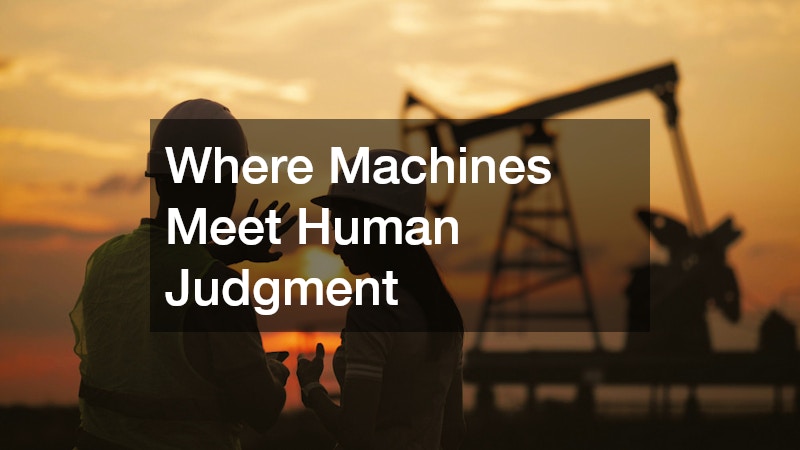
Picture a job site at sunrise. A crane lifts steel into place while ground crews signal adjustments with hand gestures. Nearby, asphalt pavers begin laying the foundation of a new road, their operators constantly adjusting flow and alignment. On another part of the site, HVAC technicians are threading ductwork through a building skeleton while roofers prepare to seal the structure from above. Each task depends on machinery, but none can succeed without human coordination.
This is the reality of modern skilled machine operation work: a constant negotiation between precision equipment and human decision-making. Machines provide power, speed, and consistency, but people provide judgment, adaptation, and timing.
As infrastructure expands, environmental systems grow more complex, and industries demand greater efficiency, these careers will continue to form the backbone of physical progress. They are not simply jobs that “use machines”—they are careers that turn machines into extensions of human skill, shaping the physical world one controlled action at a time.